



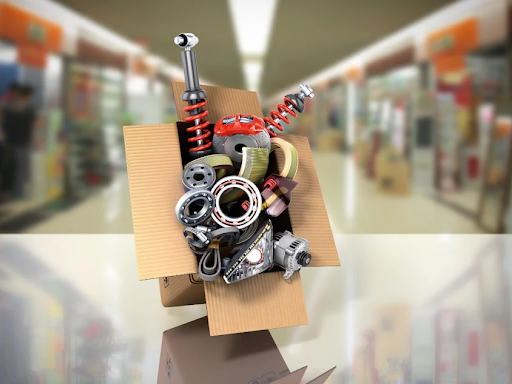
As trucks move past their warranty period, maintenance decisions become more complicated. Heavy-duty vehicles, after years of carrying large loads and navigating difficult terrains, begin to require more frequent part replacements.
At this stage, many operators wonder whether using second-hand components is a good option. For those exploring parts for post warranty trucks, it’s important to look at both the benefits and the drawbacks of using used components before deciding what works best for their fleet.
Why Post-Warranty Choices Are Critical
The end of a warranty doesn’t just mean added expenses—it also marks a new phase in the vehicle’s life cycle. Trucks that once handled long hauls and heavy loads may now be shifted to shorter trips or lighter assignments. Still, the demand for reliability remains high.
Many operators:
- Consider used parts to reduce maintenance costs.
- Delay non-urgent repairs to save money.
- Choose cheaper alternatives from local markets.
However, each choice has a direct impact on performance, safety, and long-term operational efficiency.
Pros of Using Used Parts in Post-Warranty Trucks
The appeal of second-hand components is real, especially when budgets are tight. Some advantages include:
- Lower purchase cost: Used parts often cost a fraction of new ones.
- Quick availability: Local workshops and salvage yards usually have stock ready.
- Temporary fixes: For trucks used on light duty or occasional runs, used parts may feel like a reasonable short-term solution.
- Resource utilization: Recycling parts can seem environmentally practical by extending the life of existing components.
For operators managing older fleets with limited budgets, these benefits can be hard to ignore.
Cons of Depending on Used Parts
On the other side, used parts also bring significant risks that can’t be overlooked:
- Unknown wear and tear: It’s nearly impossible to know the complete history of a salvaged component.
- Unpredictable performance: Used parts may fail without warning, leading to breakdowns.
- Safety risks: Faulty brakes, suspension, or steering parts can endanger drivers, cargo, and others on the road.
- Higher long-term costs: Frequent replacements and downtime often make used parts more expensive in the long run.
For trucks that still play an active role in business operations, these risks often outweigh the upfront savings.
When Used Parts Might Make Sense
In certain cases, operators adopt a middle-ground approach:
- Non-critical components: Items like body panels, interior fittings, or mirrors may be replaced with used parts without much risk.
- Short-term use: If a truck is nearing the end of its service life, cheaper components might be sufficient to keep it running for a limited period.
However, for core systems such as the engine, transmission, brakes, and suspension, relying on second-hand components is far riskier. This is where investing in trusted parts for post warranty trucks becomes more logical.
Why Genuine Parts Still Matter
Even after the warranty expires, genuine and certified parts offer clear advantages:
- Longer service life: Built to withstand demanding loads and conditions.
- Better safety: Tested and manufactured to meet performance standards.
- Lower downtime: Reduced chances of unexpected failures.
- Cost efficiency: Though expensive initially, fewer breakdowns mean lower overall expenses.
- Consistent fit: Designed specifically for the model, ensuring smooth installation and reliable functioning.
For fleet operators, the ability to depend on their trucks without constant worry often outweighs the small savings made by choosing cheaper alternatives.
Things to Check Before Opting for Used Parts
If operators still decide to explore the used parts market, a few precautions can make the process safer:
- Inspect the part thoroughly for cracks, rust, or damage.
- Ask about the age and source of the component.
- Compare the price difference with genuine replacements.
- Evaluate how critical the part is to overall safety.
- Choose vendors who provide at least basic assurance or a short warranty.
Even with these steps, the risks of inconsistent performance remain.
The Bigger Impact on Operations
A commercial vehicle isn’t just a machine—it’s a revenue-generating asset. Every breakdown caused by an unreliable component means missed schedules, loss of customer trust, and additional repair expenses. For companies managing fleets, the impact multiplies when several trucks face downtime due to poor-quality parts.
This is why many operators eventually return to dependable suppliers who understand the unique challenges of heavy-duty vehicles after their warranty period.
Finding the Right Balance
For operators weighing their options, the choice boils down to balancing cost, safety, and performance. Used components may serve as a temporary fix in very specific cases, but for long-term operations, investing in dependable parts for post warranty trucks is a smarter decision. It reduces risks, ensures consistent performance, and helps extend the useful life of commercial vehicles.
Reliable suppliers like Tata Motors Durafit Parts are dedicated to supporting post-warranty trucks with components designed for durability and safety. By choosing carefully, truck owners can keep their fleets productive without compromising on performance.