



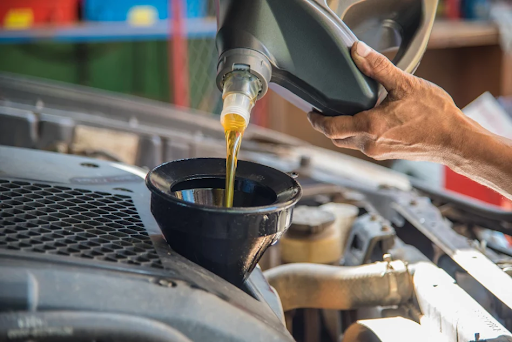
Engine oil plays a big role in keeping heavy-duty vehicles running smoothly. Without proper checks and timely changes, engine parts may wear out faster, performance can drop, and unexpected breakdowns may occur.
For truck owners and fleet operators, using quality Tata truck oil filters helps keep the oil clean and the engine free from damaging impurities. This guide explains clear and practical ways to check and change your engine oil.
1. Why Engine Oil Cannot Be Ignored
For commercial vehicles that operate under tough conditions, engine oil does much more than just lubrication. It ensures consistent performance and reduces the risk of costly downtime. Some key roles of engine oil include:
- Lubrication of moving parts: Prevents metal-to-metal contact.
- Heat regulation: Absorbs and disperses excess heat.
- Contaminant removal: Keeps dirt and debris away from critical components.
- Longer engine life: Reduces wear and supports smooth operation.
Skipping oil checks can result in overheating, higher fuel consumption, and serious mechanical damage that disrupts daily operations.
2. Getting Ready for the Process
Before checking or changing the oil, it’s important to prepare. Having the right tools will make the process safe and efficient.
Basic items you’ll need:
- A drain pan to collect old oil
- A funnel for pouring fresh oil
- An oil filter wrench
- Gloves and rags for safety and cleaning
- Fresh oil recommended by the manufacturer
For heavy-duty trucks, some operators also use ramps or a hydraulic jack to make access easier.
3. How to Check Engine Oil in Trucks
Checking oil regularly helps avoid unexpected breakdowns. The steps are straightforward:
- Park on level ground: Ensure the truck is steady.
- Turn off the engine: Wait at least 10 minutes so oil can settle.
- Locate the dipstick: Pull it out and clean it with a rag.
- Reinsert and check level: Oil should sit between the marked indicators.
- Look at the color and texture: Clear oil with a golden or amber shade is good. Thick, dark, or gritty oil signals it’s time for a change.
Making this a routine part of inspections helps spot potential issues early.
4. Steps to Drain Old Oil
When the oil becomes dirty or worn out, it must be replaced. Follow these steps carefully:
- Position the drain pan: Place it under the oil plug.
- Remove the plug: Loosen it with a wrench and let the oil flow out completely.
- Observe the oil: If you notice sludge or metallic shavings, it may point to engine wear.
- Tighten the plug again: Secure it firmly once draining is finished.
This step ensures all old oil is removed, giving the fresh oil maximum efficiency.
5. Changing the Oil Filter
Oil filters are just as important as the oil itself because they trap dirt and debris. Without replacement, they can get clogged and restrict oil flow.
Steps to replace the filter:
- Locate the oil filter near the engine block.
- Use a wrench to loosen the old one.
- Apply a thin coat of oil to the gasket of the new filter.
- Fit the new filter and tighten it securely by hand.
Choosing durable options like Tata truck oil filters ensures reliable filtration and steady engine performance, especially for vehicles operating long hours under heavy loads.
6. Refilling With Fresh Oil
Once the draining and filter replacement are done, it’s time to add new oil:
- Place a funnel in the oil fill cap.
- Pour the recommended grade and amount of oil.
- Check the dipstick to confirm the right level.
- Start the engine and let it idle for a few minutes.
- Inspect for leaks around the drain plug and filter.
Always stick to the oil type and quantity suggested for heavy-duty engines. Overfilling or underfilling can both cause problems.
7. Smart Maintenance Habits
Regular oil changes are only part of the picture. A few smart habits can help extend engine life and reduce downtime:
- Monitor oil condition during long hauls.
- Replace oil at the intervals mentioned in the service manual.
- Use logbooks to record oil changes for fleet vehicles.
- Combine oil checks with other routine inspections like coolant and brake fluid.
- Train drivers to recognize warning signs such as overheating or unusual engine sounds.
These small practices go a long way in preventing costly breakdowns.
Keeping Engines Reliable
Engine oil care is not a complex job, but it is one of the most important. With regular checks, timely changes, and the use of dependable filters such as Tata truck oil filters, fleet owners and operators can keep their vehicles on the road longer and reduce maintenance expenses.
For businesses that depend on their trucks every day, reliability is not optional—it’s essential. Choosing trusted suppliers like Tata Motors Durafit Parts ensures that your commercial vehicles get the right support for consistent performance and durability.